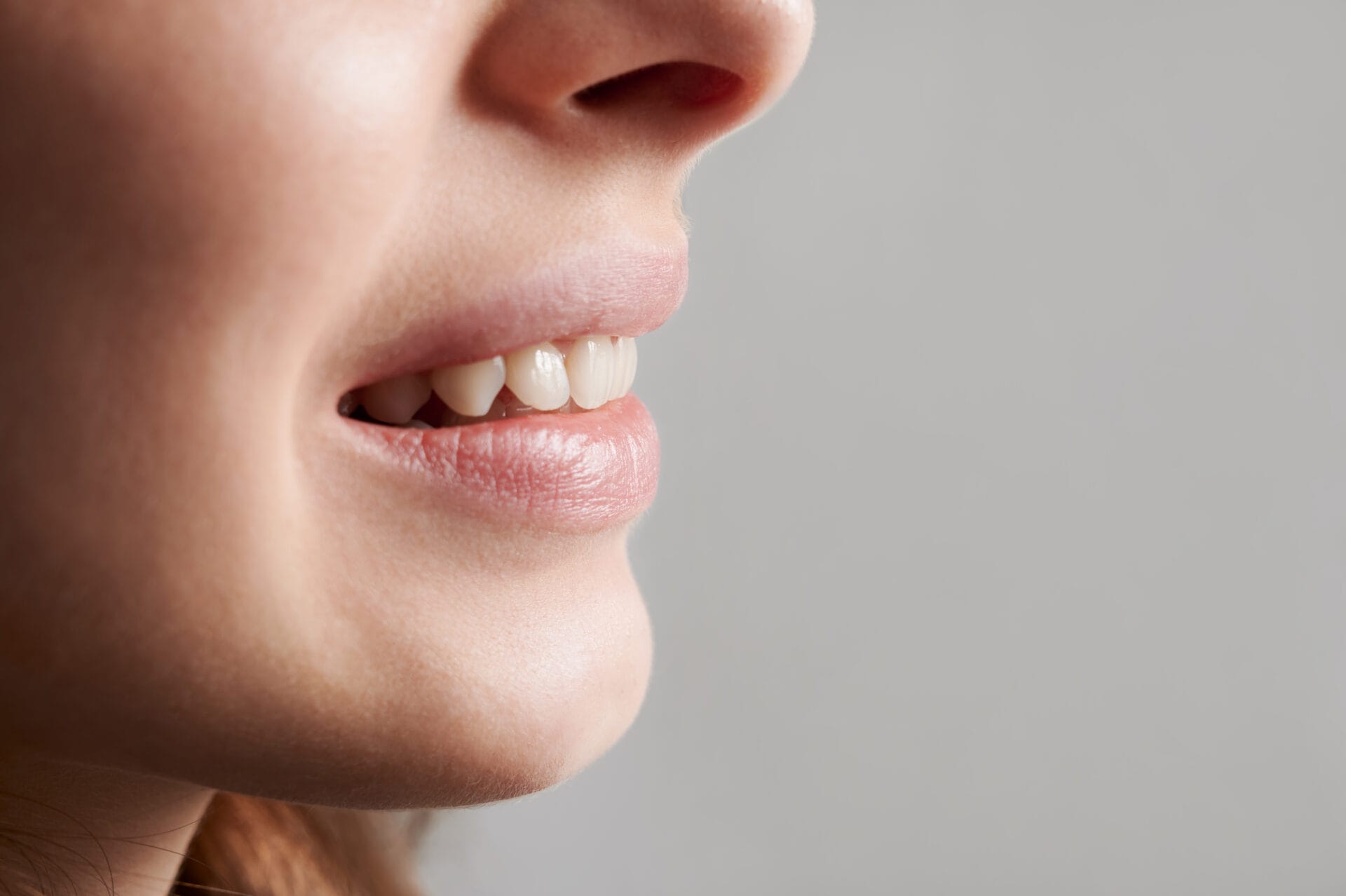
Worn or eroded teeth are one of the more gradual dental problems we see at our Palm Beach practice — by the time someone notices, the wear has often been progressing for years. The good news is that modern dentistry offers a clear path back: night guards to stop further loss, composite build-ups to restore the lost shape, and veneers or crowns when the damage is more advanced. At Palm Beach Dental, Dr Jijesh Nhalila-Valappil assesses every case with a full clinical exam and our onsite OPG or 3D X-ray, so the cause is identified before treatment is planned. The practice has been serving Gold Coast families for nearly 50 years, and pricing is published in full on the website.
What is the difference between attrition, abrasion and erosion?
Attrition, abrasion, and erosion are three distinct mechanisms of tooth wear, each leaving a different pattern on the tooth surface. Attrition is wear caused by tooth-to-tooth contact — typically grinding or clenching, also called bruxism. It shows up as matching flat wear facets on opposing teeth, often with shortened front teeth and chipping along the biting edges. Abrasion is mechanical wear from an external object — most commonly an over-aggressive brushing technique, a hard-bristled toothbrush, or habitual pipe smoking. It usually appears as V-shaped notches at the gumline on the outside of the teeth. Erosion is chemical wear from acid that is not bacterial in origin — either dietary acid (soft drinks, sports drinks, citrus, wine) or stomach acid (reflux, bulimia, morning sickness). Erosion leaves smooth, glossy, cupped-out surfaces on the biting edges of back teeth, often with the enamel looking thinned and translucent.
What causes tooth wear?
Tooth wear is caused by repeated mechanical or chemical stress that exceeds the tooth’s ability to repair itself, and the most common cause in adults is a combination of grinding and acid exposure. The Australian Dental Association describes tooth wear as a normal physiological process that becomes pathological once the rate of loss exceeds the rate of repair, generally after age 30. The single biggest contributor we see clinically is nocturnal bruxism (grinding or clenching during sleep), often linked to stress, caffeine, alcohol, or an uneven bite. Dietary acid is the second — soft drinks, sports drinks, citrus, wine, and vinegar-based foods all demineralise enamel quickly. Stomach acid from gastro-oesophageal reflux disease (GORD) or recurrent vomiting is the third, and is often missed because the patient is not aware of the reflux. Better Health Channel data puts dietary erosion at roughly 30–50% of adolescents and adults in Western populations, which is why the cause is rarely a single thing — most patients have at least two of the three mechanisms.
How does a dentist assess worn teeth?
A dentist assesses worn teeth by mapping the pattern of wear, checking the bite, looking at the gums and tongue, and using imaging to see how far the loss extends below the surface. The first step at Palm Beach Dental is a full visual and tactile exam — the dentist checks the biting edges, the outside surfaces near the gumline, and the inside surfaces of the upper front teeth (a classic erosion site). The bite is examined with articulating paper to see how the teeth contact, and any cracks, chips, or failing fillings are noted. For most wear cases, our onsite OPG and 3D X-ray are used to check for bone loss, root cracks, and the position of the nerves, especially when treatment is likely to involve crowns. Photographs and study models may also be taken so the wear can be monitored over time. A short dietary and medical history is part of the assessment, because the most common reason wear treatment fails is that an undiagnosed cause keeps doing damage after the work is done.
What is a night guard and why is it prescribed?
A night guard is a hard acrylic splint worn over the upper or lower teeth during sleep, and it is prescribed to absorb grinding forces and stop further wear on the teeth. It does not stop you from grinding — but it absorbs the force so the teeth, fillings, and jaw joint do not. Healthdirect Australia estimates bruxism affects roughly 8–10% of the adult population, which is why night guards are among the most commonly prescribed appliances in general dentistry. At Palm Beach Dental, night guards are custom-made from a digital or physical impression of your teeth, then adjusted at a follow-up visit so the bite is even across the arch. Patients who grind hard typically replace their night guard every 2–5 years depending on wear. The night guard must be in place before any cosmetic build-up is done, because rebuilding worn teeth without addressing the grinding is one of the fastest ways to shorten the life of the restoration.
How can composite build-up restore worn teeth?
Composite build-up restores worn teeth by layering tooth-coloured resin directly onto the lost surfaces, rebuilding the original shape and the bite in a single appointment. It is the most conservative way to add back what attrition or erosion has taken away, and it works best when the wear is moderate and the bite is stable. The dentist isolates each tooth, etches the enamel, applies a bonding agent, and adds composite in layers, with each layer set by a blue curing light. The new biting edges are shaped to match the patient’s natural smile, and the final result is polished to a high gloss. According to NHMRC-aligned guidance, composite build-up is preferred over full coverage when the remaining tooth structure is sound and the patient commits to wearing a night guard. Our crowns and bridges service page covers what happens when the wear is too advanced for a simple build-up.
When are veneers or crowns needed for worn teeth?
Veneers or crowns are needed when the wear is too advanced for a composite build-up — typically when more than a third of the biting edge is gone, when the bite has collapsed, or when the patient wants a longer-lasting cosmetic result. A porcelain veneer covers the front surface of a worn front tooth and can rebuild the lost edge in ceramic — a strong, stain-resistant material. Crowns are used when the wear goes all the way around the tooth, when the tooth has had root canal treatment, or when the bite is so collapsed that the back teeth also need to be re-opened. The number of teeth involved and the bite determine which option is right. Our porcelain veneers and broader cosmetic dentistry pages walk through what the treatment looks like from consultation to final cementation.
How much does worn-teeth treatment cost in Palm Beach?
Treatment cost depends on the cause, the number of teeth involved, and the option chosen, and the published price list at Palm Beach Dental starts from about AUD 165 for a simple filling, with night guards, veneers, and crowns quoted individually after assessment. A single composite build-up is the most affordable option, while a full-mouth rehabilitation across many teeth is the most involved and is planned in stages. The practice publishes a transparent fee guide on the website, and health fund rebates apply under major dental for most of these procedures. The team accepts all major Australian health funds and Veterans Affairs, and payment can be spread across four interest-free instalments with Afterpay, or over a longer term through the National Dental Plan (Humm) for neighbouring Currumbin patients and other Gold Coast families planning larger treatment.
Frequently asked questions
How do I know if my teeth are worn?
Common signs include shorter or thinner front teeth, chips along the biting edges, yellowing at the tips of the teeth (where the dentine shows through), notches at the gumline, and increased sensitivity. Many patients first notice it in photos.
Can worn teeth grow back?
No — enamel does not regenerate once it is lost. Treatment focuses on stopping further wear (with a night guard and addressing the cause) and rebuilding the lost structure with composite, veneers, or crowns.
Will a night guard stop my grinding?
A night guard absorbs the force of grinding so the teeth and restorations are protected, but it does not stop the grinding itself. Stress management, sleep hygiene, and addressing caffeine or alcohol intake can help reduce the underlying habit.
Is the wear from acid permanent?
Acid-softened enamel can reharden over a few hours once the acid is cleared, but the calcium and phosphate that were lost are not replaced. Once the enamel is physically worn away, the damage is permanent until it is restored.
How long does composite build-up last on worn teeth?
With a night guard in place and good hygiene, a well-done composite build-up typically lasts 5–10 years before needing a refresh. Without a night guard, it can fail in months.
Does private health insurance cover worn-teeth treatment?
Most Australian health funds cover night guards, composite build-ups, and crowns under major dental extras. Cosmetic veneers may not attract a rebate. Our team can help you check your specific fund rules before treatment begins.
Where Can You Receive Worn / Eroded Teeth (Attrition, Abrasion, Erosion) Care in Palm Beach?
If you are looking for worn / eroded teeth (attrition, abrasion, erosion) care in Palm Beach or the Gold Coast, personalised assessment makes a difference. At Palm Beach Dental, tooth wear is approached with a careful diagnosis of the cause, not just the visible damage. From a custom night guard to a composite build-up, porcelain veneer, or full crown, the focus is on stopping further loss and rebuilding a stable, natural bite. Whether the wear is mild or advanced, every patient receives guidance tailored to their specific grinding pattern, acid exposure, and aesthetic goals, helping support long term oral health and function.
References
- Australian Dental Association — https://www.ada.org.au
- Healthdirect Australia — https://www.healthdirect.gov.au
- Better Health Channel (Victoria) — https://www.betterhealth.vic.gov.au
- National Health and Medical Research Council (NHMRC) — https://www.nhmrc.gov.au
- Australian Health Practitioner Regulation Agency (AHPRA) — https://www.ahpra.gov.au
All dental procedures involve potential risks and benefits. The information provided in this blog is general in nature and should not be taken as medical advice. We recommend that you seek guidance from a suitably qualified health professional before making decisions about your oral health. Where appropriate, you may also wish to consider obtaining a second opinion. Any images or videos featured are shared with the informed consent of our patients and are intended for educational purposes only. They are not a guarantee of results, as every patient is unique. Treatment outcomes — including recovery, potential complications, and effectiveness — can vary from person to person.