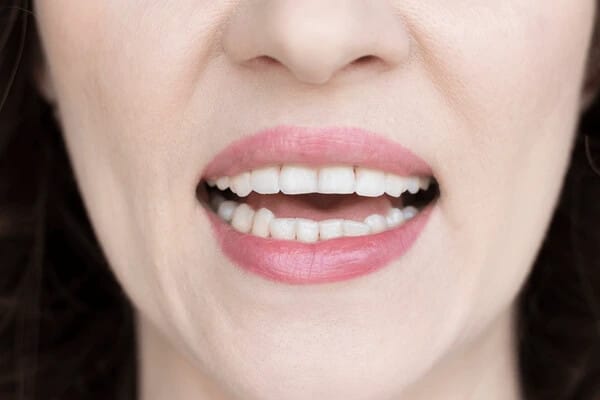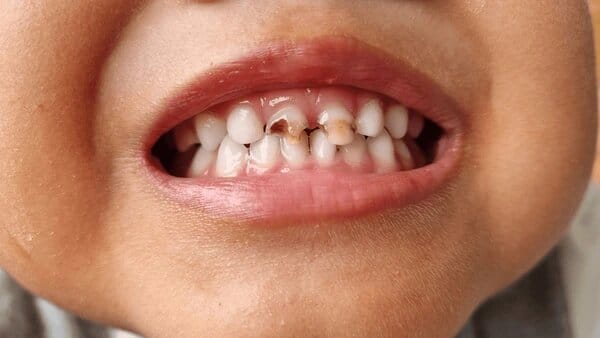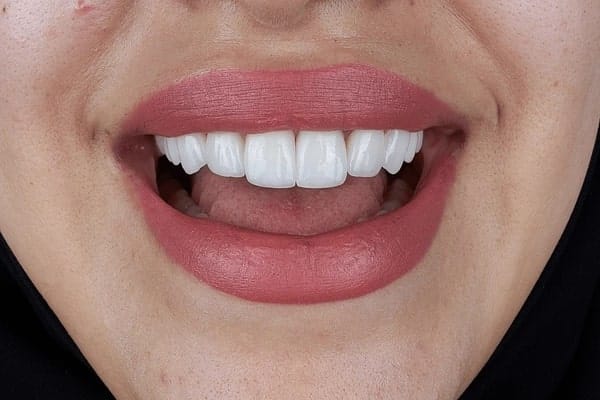
When it comes to minor smile imperfections—such as chipped teeth, gaps, or uneven shapes—dental bonding offers a fast and effective solution. Often completed in a single visit without any drilling, dental bonding is a non-invasive way to restore confidence in your smile while protecting the integrity of your natural teeth. But how does it work, and more importantly, how long does dental bonding last?
How Does Dental Bonding Work?
Dental bonding involves applying a tooth-coloured composite resin to the surface of a tooth to improve its appearance or restore damage. The material is carefully sculpted and hardened using a curing light, seamlessly blending with the natural enamel.
This treatment is commonly used for:
- Repairing chipped or cracked teeth
- Reshaping uneven edges
- Filling small gaps between teeth
- Covering discoloured areas
- Adjusting minor alignment issues
- Protecting exposed roots due to gum recession
Because the process doesn’t usually require altering the natural tooth structure, it is a minimally invasive option that still provides functional and cosmetic benefits.
What Are the Benefits of Dental Bonding?
Dental bonding stands out for its simplicity, speed, and patient comfort. It is an attractive choice for those looking for a less intensive cosmetic procedure that still delivers results.
Benefits of Dental Bonding:
- Quick treatment, often completed in a single visit
- No drilling or anaesthetic required in many cases
- Cost-effective alternative to veneers
- Matches the natural colour of your teeth
- Reversible in most cases
- Preserves tooth structure
It’s especially suitable for minor aesthetic concerns or for patients not ready to commit to more permanent restorations like veneers.
When Might Dental Bonding Be Recommended?
Bonding is ideal for teeth that need minor cosmetic improvements or repairs. It’s a versatile solution that can correct subtle imperfections without lengthy procedures or lab work.
Dental Bonding May Be Recommended For:
- Chipped front teeth
- Small gaps between teeth
- Uneven or worn edges
- Discolouration resistant to whitening
- Short or misaligned teeth that affect your smile’s balance
Because the resin is directly applied and shaped in-chair, treatment can be fully personalised to suit your aesthetic goals.
How Long Does Dental Bonding Typically Last?
The longevity of dental bonding depends on a few variables—including where it’s placed, your oral habits, and how well you care for your teeth.
On average, bonding lasts between 3 to 10 years before needing touch-ups or replacement. Teeth at the front of the mouth tend to maintain bonding longer than those exposed to stronger chewing forces.
Table 1: Dental Bonding vs Other Cosmetic Options
| Feature | Dental Bonding | Porcelain Veneers | Teeth Whitening |
|---|---|---|---|
| Invasiveness | Non-invasive | May require enamel removal | Non-invasive |
| Treatment Time | One visit | Two or more visits | Single session or series |
| Longevity | 3–10 years (average) | 10–15+ years | 6–12 months |
| Customisation | Good | Excellent | Shade only |
| Reversible | Yes (in most cases) | No | Yes |
| Suitable for minor chips | Yes | Yes | No |
What Factors Affect the Lifespan of Dental Bonding?
While dental bonding is durable, certain factors can influence how long it remains intact and aesthetically pleasing.
Table 2: Factors That Influence Bonding Lifespan
| Factor | Effect on Durability |
|---|---|
| Oral hygiene habits | Good care prolongs bonding life |
| Diet | Avoiding staining foods helps maintain appearance |
| Teeth grinding or clenching | Increases risk of chipping or wearing |
| Placement location | Front teeth last longer than molars |
| Smoking | May cause early discolouration |
| Biting habits | Chewing hard items may damage bonded areas |
With proper care, bonding can remain a seamless part of your smile for many years.
How Should You Maintain Bonded Teeth?
Caring for your bonded teeth is similar to caring for natural teeth. However, there are a few habits you can adopt to maximise longevity.
Tips to Protect Your Bonded Teeth:
- Brush and floss daily with a soft-bristled toothbrush
- Use a non-abrasive toothpaste
- Avoid biting into hard foods (ice, pens, fingernails)
- Wear a nightguard if you grind your teeth
- Minimise intake of staining beverages like coffee, tea, and red wine
- Attend regular dental check-ups and professional cleanings
Any discolouration or minor chips can often be polished or touched up without a full replacement.
Can Dental Bonding Be Repaired or Replaced?
Yes, one of the advantages of composite bonding is that it can be easily repaired or adjusted. If a bonded tooth chips or shows signs of wear, your dentist can often reapply or reshape the material without removing the existing bonding.
This flexibility makes bonding an ideal choice for patients seeking both cosmetic improvement and convenience.
What Should You Expect During the Dental Bonding Process?
The procedure is generally simple and comfortable. After selecting a resin shade to match your natural teeth, the surface of the tooth is prepared slightly to enhance adhesion. The bonding material is applied, shaped, and then cured with a special light.
The final result is polished to blend with the natural tooth surface, leaving you with a smooth and natural finish—all completed in one appointment in most cases.
Why Choose Palm Beach Dental for Your Smile Enhancements?
If you’re looking to enhance your smile with care and precision, Palm Beach Dental offers a welcoming environment, advanced techniques, and highly personalised care. Whether you’re interested in dental bonding for a small chip or a full smile refresh, our experienced team takes the time to understand your goals and deliver results that feel natural and comfortable.
We use high-quality tooth-coloured materials tailored to your enamel shade, ensuring a beautiful blend and long-lasting performance. At Palm Beach Dental, your comfort, function, and confidence are always our priority. Trust us to help you restore and refine your smile with professional, compassionate care.
Important FAQ’s
Q1. What is dental bonding used for?
Dental bonding is used to improve the appearance of chipped, cracked, discoloured, or misshapen teeth, and can also fill small gaps between teeth.
Q2. How long does dental bonding last on front teeth?
With good care, bonding on front teeth can last between 5 to 10 years, often longer if not exposed to excessive wear or staining.
Q3. Can dental bonding be reversed or removed?
Yes. Since bonding is non-invasive and doesn’t typically alter the tooth structure, it can be removed or replaced if needed.
Q4. Is dental bonding suitable for back teeth?
Bonding can be used on back teeth, but it may wear faster due to biting forces. Crowns or stronger restorations are sometimes recommended instead.
Q5. Can bonded teeth be whitened?
Bonded material does not respond to whitening. If discolouration occurs, the bonding may need to be replaced to match the rest of the smile.
Q6. Does dental bonding damage the tooth?
No, bonding is minimally invasive and preserves your natural enamel, making it a conservative and reversible treatment option.
References
- Australian Dental Association – Cosmetic Dentistry
https://www.ada.org.au/Dental-Health-Week/Resources/Fact-sheets/Cosmetic-dentistry - Healthdirect Australia – Dental Treatments Overview
https://www.healthdirect.gov.au/dental-treatments
Disclaimer
All dental procedures involve potential risks and benefits. The information provided in this blog is general in nature and should not be taken as medical advice. We recommend that you seek guidance from a suitably qualified health professional before making decisions about your oral health. Where appropriate, you may also wish to consider obtaining a second opinion.
Any images or videos featured are shared with the informed consent of our patients and are intended for educational purposes only. They are not a guarantee of results, as every patient is unique. Treatment outcomes — including recovery, potential complications, and effectiveness — can vary from person to person.