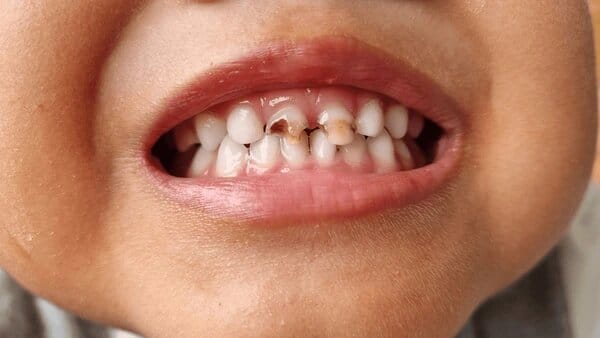
Toothaches that won’t go away, sudden sharp pain while chewing, or swelling near the gumline—these can all be signs of something deeper happening inside your tooth. One of the most effective ways to address this is through a root canal treatment. But what is a root canal treatment, really? This blog takes you beneath the surface to uncover what the procedure involves, why it’s done, and how it plays a key role in preserving your natural smile.
What Happens Inside a Tooth That Needs a Root Canal?
A tooth may look solid from the outside, but it’s filled with a delicate core known as the dental pulp. This pulp contains nerves, blood vessels, and connective tissue. When this area becomes infected—due to decay, cracks, trauma, or repeated dental work—the tooth’s internal structure is compromised.
Reasons why a tooth may require root canal treatment:
- Deep decay reaching the pulp chamber
- A cracked or chipped tooth exposing the pulp
- Repeated dental procedures on the same tooth
- Trauma that damages the tooth’s internal structure
- Dental abscess or swelling near the root
If left untreated, the infection can spread to the surrounding bone and tissues, causing pain and more serious complications.
Why Is a Root Canal Preferred Over Extraction?
In many cases, a root canal is the preferred choice because it saves your natural tooth. While tooth extraction is sometimes necessary, removing a tooth can lead to additional issues such as shifting of neighbouring teeth, bite imbalances, and potential bone loss in the jaw.
Table 1: Comparison – Root Canal vs. Tooth Extraction
| Feature | Root Canal Treatment | Tooth Extraction |
|---|---|---|
| Preserves natural tooth | Yes | No |
| Aesthetic appearance maintained | Yes | No |
| Chewing function preserved | Yes | Requires replacement option |
| Risk of shifting adjacent teeth | Low | High if not replaced |
| Need for prosthetic replacement | Usually not needed | Often needed (e.g. implant) |
What Steps Are Involved in the Root Canal Procedure?
The root canal process is structured and predictable, typically carried out over one or two appointments depending on the complexity. It is performed under local anaesthesia to ensure comfort throughout.
The process includes:
- Clinical and radiographic examination
- Numbing the area with local anaesthetic
- Creating an opening in the tooth crown
- Removing the infected or inflamed pulp tissue
- Cleaning and shaping the root canals
- Sealing the canals with a biocompatible material
- Placing a temporary or permanent filling
- Fitting a dental crown if needed for strength and function
Each of these stages is carefully performed to remove bacteria, prevent reinfection, and preserve as much natural tooth structure as possible.
What Are the Benefits of Having a Root Canal Done?
Root canal treatment not only addresses infection but also allows the tooth to remain functional for many years. Thanks to modern endodontic techniques and materials, success rates are high and recovery is typically straightforward.
Benefits include:
- Stops the spread of infection
- Retains your natural tooth structure
- Maintains facial and jawbone integrity
- Relieves pain and discomfort
- Supports long-term oral health and chewing function
What Is the Anatomy of a Tooth Being Treated?
Understanding the anatomy of a tooth helps illustrate why root canal treatment is so effective in treating infections deep within.
Table 2: What’s Inside a Tooth – Anatomy Overview
| Tooth Component | Description |
|---|---|
| Enamel | The hard, outermost protective layer |
| Dentin | Porous tissue beneath enamel that supports tooth structure |
| Pulp Chamber | Central area containing nerves and blood vessels |
| Root Canals | Narrow passages that extend from pulp chamber to root tips |
| Periodontal Ligament | Connective tissue anchoring the tooth to surrounding bone |
The root canal procedure specifically targets the pulp chamber and root canals, removing damaged tissue and replacing it with a sterile filling.
What Symptoms Might Indicate the Need for Root Canal Treatment?
Being aware of the warning signs can lead to early intervention and better outcomes. If you’re experiencing any of the following symptoms, it’s worth discussing with your dentist.
Warning signs may include:
- Persistent toothache or throbbing pain
- Sharp pain while biting or chewing
- Prolonged sensitivity to heat or cold
- Discolouration or darkening of the tooth
- Swelling, tenderness or pus near the gums
Is It Painful to Undergo a Root Canal?
One of the biggest misconceptions is that root canal treatment is painful. In reality, it is designed to relieve pain—not cause it. With advancements in anaesthesia and technique, most patients find the experience similar to receiving a regular filling. Any post-treatment discomfort is typically mild and temporary.
You may feel:
- Slight tenderness for a few days
- Temporary sensitivity to biting pressure
- Minimal discomfort managed with over-the-counter options (if advised)
In most cases, patients return to daily activities the very next day.
How Do You Protect the Tooth After Treatment?
Once the inside of the tooth is cleaned and sealed, it’s important to reinforce it with a crown or onlay—especially if the tooth was previously weakened. This final restoration helps restore function and protects the tooth from further damage.
Post-treatment care tips:
- Maintain your regular oral hygiene routine
- Avoid hard or sticky foods until the crown is placed
- Attend your follow-up appointments
- Report any persistent discomfort to your dentist
Where Can You Receive Quality Care for Root Canal Treatment?
At Palm Beach Dental, we understand the anxiety that can come with hearing the words “root canal.” That’s why we’re committed to making the experience as comfortable and stress-free as possible. Our skilled team uses advanced diagnostic and treatment technology to deliver effective, patient-centred care tailored to your needs.
Whether you’re experiencing tooth pain or seeking preventative advice, our practice offers comprehensive dental services in a calm and professional environment. We take time to explain every step of your treatment and ensure you’re supported from start to finish. Choose Palm Beach Dental for treatment that focuses on preserving your smile, restoring function, and maintaining long-term oral health.
Important FAQ’s
Q1. What exactly is a root canal treatment?
Root canal treatment is a dental procedure that removes infected or inflamed pulp from inside a tooth to preserve the natural structure and eliminate pain or infection.
Q2. Does a root canal hurt during or after the procedure?
The procedure is performed under local anaesthesia, making it virtually painless. Some mild discomfort may occur after treatment, which usually settles within a few days.
Q3. How long does a root canal appointment take?
It typically takes one to two appointments, each lasting 60–90 minutes, depending on the tooth’s complexity and condition.
Q4. Do I need a crown after a root canal?
In most cases, yes. A crown is recommended to restore strength and protect the tooth from fracture or reinfection.
Q5. What happens if I delay root canal treatment?
Delaying treatment can lead to the spread of infection, worsening pain, and the potential loss of the tooth, possibly requiring more complex intervention later.
Q6. Can any dentist perform a root canal?
Yes, general dentists are trained to perform root canal treatment. In more complex cases, they may refer patients to a practitioner who focuses on endodontic therapy.
References
- Australian Dental Association – Root Canal Therapy
https://www.ada.org.au/Dental-Health-Week/Resources/Fact-sheets/Root-canal-therapy - Healthdirect Australia – Root Canal Treatment
https://www.healthdirect.gov.au/root-canal-treatment
Disclaimer
All dental procedures involve potential risks and benefits. The information provided in this blog is general in nature and should not be taken as medical advice. We recommend that you seek guidance from a suitably qualified health professional before making decisions about your oral health. Where appropriate, you may also wish to consider obtaining a second opinion.
Any images or videos featured are shared with the informed consent of our patients and are intended for educational purposes only. They are not a guarantee of results, as every patient is unique. Treatment outcomes — including recovery, potential complications, and effectiveness — can vary from person to person.