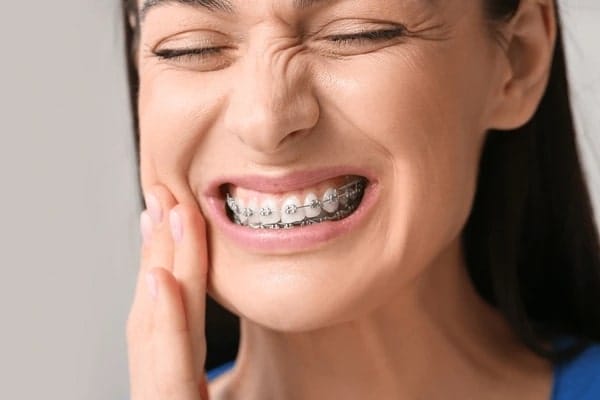
Getting braces is an exciting step towards improved alignment, but the first few days after an adjustment can catch many people off guard. Teeth can feel tender, chewing may be uncomfortable, and the pressure can be more noticeable than expected. The good news is that orthodontic discomfort is usually temporary and linked to normal biological tooth movement.
When braces are adjusted, orthodontic force is applied through the archwire and brackets. This gentle, controlled pressure triggers movement within the bone. The ligament around each tooth responds with a mild inflammatory response. That sensitivity is often what people describe as soreness. While it can feel intense at times, it is part of how orthodontic alignment works.
Why Do Braces Feel Sore After Adjustments?
Orthodontic discomfort often appears within hours of an adjustment appointment. The archwire activation increases pressure on certain teeth, stimulating movement. As the periodontal ligament adapts, tenderness can develop.
Common features include:
- General tooth movement soreness
- Pressure sensitivity when biting
- Ligament sensitivity
- Mild swelling within supporting tissues
- Temporary tenderness lasting several days
Pain perception varies between individuals. Some people feel only mild sensitivity, while others experience stronger discomfort. The intensity does not necessarily reflect the effectiveness of treatment.
What Causes Soft Tissue Irritation Around Brackets?
Not all braces pain comes from tooth movement. Brackets and wires can rub against the lips and cheeks, particularly in the early stages of treatment. This friction may cause small ulcers or irritation.
Soft tissue irritation may result from:
- Bracket edges contacting the inner cheek
- Protruding wire ends
- Rapid speech or lip movement
- Changes in bite position
Orthodontic wax is commonly used to create a smooth barrier over brackets that are causing friction. Applying wax can reduce rubbing and support healing of irritated areas.
What Supportive Measures May Help Reduce Discomfort?
While discomfort cannot always be eliminated instantly, certain supportive strategies may help reduce braces pressure sensitivity.
Short term comfort strategies include:
- Using orthodontic wax on irritating brackets
- Applying a cold compress externally to the cheek
- Choosing a softer diet during tender periods
- Avoiding hard or sticky foods
- Maintaining gentle but thorough oral hygiene
A soft diet may include foods that require less biting force, reducing strain on sensitive teeth. Avoiding very crunchy items during peak soreness can prevent additional stress on the ligament.
Over the counter analgesics may be considered if appropriate and taken as directed by a pharmacist or medical practitioner. It is important to ensure any medication is suitable for you personally.
When Should You Contact Your Orthodontic Provider?
While temporary tenderness is expected, certain symptoms should be reviewed.
You may need professional emergency dentist advice if you experience:
- Persistent pain beyond the expected timeframe
- Broken brackets or detached bands
- A sharp poking sensation from a protruding wire
- Significant ulceration or swelling
- Sudden severe pain unrelated to adjustment
Timely review allows minor issues to be corrected before they cause prolonged discomfort.
How Long Does Braces Soreness Typically Last?
Orthodontic discomfort is often most noticeable during the first 24 to 72 hours after an adjustment. For many people, tenderness gradually reduces over several days as the ligament adapts to new positioning forces.
The biological response varies between individuals and depends on factors such as:
- Age
- Bone density
- Overall oral health
- Extent of tooth movement required
The table below outlines common types of discomfort and supportive measures.
| Type Of Discomfort | Likely Cause | Supportive Measure |
|---|---|---|
| General soreness | Tooth movement and ligament inflammation | Soft diet and rest |
| Lip or cheek irritation | Bracket friction | Orthodontic wax |
| Pressure sensitivity | Archwire activation | Cold compress |
| Sharp poking sensation | Protruding wire | Professional adjustment |
Does Stronger Pain Mean Faster Tooth Movement?
Not necessarily. Orthodontic force is carefully calibrated to move teeth gradually and safely. Excessive pressure is not beneficial and may cause unwanted complications. The goal is controlled, steady movement rather than rapid shifts.
Maintaining good plaque control during treatment is essential. Plaque accumulation around brackets can lead to enamel demineralisation and gum inflammation, which may increase overall sensitivity. Careful brushing around brackets and along the gumline helps reduce additional discomfort.
How Does Oral Hygiene Affect Orthodontic Comfort?
Plaque biofilm can accumulate more easily around orthodontic appliances. Inadequate cleaning may result in gum swelling, which can increase pressure sensation and tenderness.
Effective oral hygiene during braces includes:
- Cleaning carefully around brackets and wires
- Using appropriate interdental aids if recommended
- Attending scheduled orthodontic appointments
- Monitoring for signs of soft tissue irritation
Balanced information about orthodontic treatment includes acknowledging that temporary soreness is common. It is not an indication that something has gone wrong. With proper support and communication, most patients adapt quickly.
Why Is Professional Guidance Important During Braces Treatment?
Orthodontic alignment is a structured process involving digital planning, assessment of bite relationships, and careful monitoring. Adjustments are sequenced to promote predictable tooth movement. Self adjusting wires or ignoring persistent symptoms can lead to complications.
At Palm Beach Dental, our dentist team focuses on clear communication and patient understanding. Every stage of treatment is explained, including expected tenderness and how to manage it safely. The aim is not just straighter teeth, but a balanced bite and long term stability.
Understanding that orthodontic discomfort is usually temporary helps reduce anxiety. With the right information and support, braces treatment can progress smoothly and comfortably for most individuals.
Frequently Asked Questions
Q1. How long does braces discomfort usually last?
Orthodontic discomfort is commonly most noticeable during the first 24 to 72 hours after an adjustment. For many people, tenderness gradually reduces over several days as the periodontal ligament adapts to the applied orthodontic force.
Q2. Is braces pain a sign that something is wrong?
Mild to moderate soreness after an adjustment is generally part of the normal tooth movement process. However, persistent pain, swelling, or broken components should be reviewed by your dental provider.
Q3. Can I eat normally after a braces adjustment?
During periods of tenderness, softer foods are often more comfortable. Avoiding hard or sticky foods may help reduce additional pressure on sensitive teeth.
Q4. Why do my cheeks and lips feel sore with braces?
Soft tissue irritation can occur when brackets or wires rub against the inside of the lips and cheeks. Orthodontic wax may help reduce friction in these areas.
Q5. Does stronger pain mean my teeth are moving faster?
Not necessarily. Orthodontic force is carefully controlled. Pain intensity does not directly reflect the speed or effectiveness of tooth movement.
Q6. When should I contact the clinic about braces pain?
If you experience severe pain, a protruding wire, a broken bracket, or discomfort that continues beyond the expected timeframe, it is important to seek professional advice.
References
- Australian Dental Association. Orthodontic Treatment and Oral Health Information.
https://www.ada.org.au/Your-Dental-Health/Orthodontics - Australian Society of Orthodontists. Information for Patients About Braces and Orthodontic Treatment.
https://www.aso.org.au/public/information-for-patients - Australian Institute of Health and Welfare. Oral health and dental care in Australia.
https://www.aihw.gov.au/reports/dental-oral-health/oral-health-and-dental-care-in-australia
Disclaimer
All dental procedures involve potential risks and benefits. The information provided in this blog is general in nature and should not be taken as medical advice. We recommend that you seek guidance from a suitably qualified health professional before making decisions about your oral health. Where appropriate, you may also wish to consider obtaining a second opinion.
Any images or videos featured are shared with the informed consent of our patients and are intended for educational purposes only. They are not a guarantee of results, as every patient is unique. Treatment outcomes — including recovery, potential complications, and effectiveness — can vary from person to person.