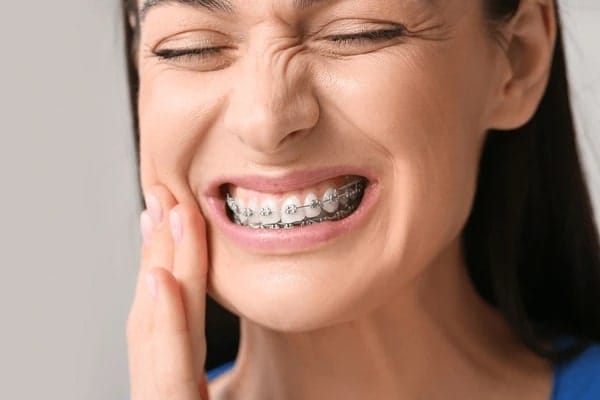
Getting braces is an exciting step towards a straighter smile, but let us be honest, the first few days can feel uncomfortable. That dull pressure, tender gums, or even a bit of cheek irritation can catch people off guard. The good news is that braces discomfort is usually part of the natural tooth movement process. Understanding why it happens and what is considered normal can make the whole experience far less stressful.
Orthodontic pressure pain often appears after braces are first placed or following an adjustment appointment. When brackets and archwires begin guiding teeth into new positions, the surrounding tissues respond. This response can lead to orthodontic appliance irritation, mild inflammation, and temporary tooth movement sensitivity. For most people, the sensation is mild to moderate and settles within a few days.
Why Do Braces Cause Discomfort In The First Place?
Braces adjustment soreness is commonly linked to the gentle force applied to teeth. As teeth shift, the bone and ligament structures around them adapt. This is a controlled and expected biological process. Gum tenderness from braces may also occur as tissues respond to pressure.
Common triggers include:
- Initial placement of brackets and wires
- Tightening or changing archwires
- Adding new elastics
- Friction from brackets against cheeks or lips
- Early stages of orthodontic treatment
The severity varies individually. Some people experience only mild pressure, while others feel more noticeable tenderness, particularly when biting or chewing.
How Long Does Braces Pain Usually Last?
For most patients, orthodontic treatment discomfort peaks within the first 24 to 48 hours after an adjustment and gradually eases over several days. Research published by the Australian Society of Orthodontists highlights that discomfort typically reduces significantly within one week as tissues adapt to new forces.
If discomfort continues beyond what your orthodontic team has advised, or if pain becomes sharp or worsening, it is important to arrange a review appointment. Persistent pain may indicate a loose bracket, a protruding wire, or another issue requiring attention.
What Areas Of The Mouth Are Most Affected?
Braces discomfort does not always feel the same. It may present in different locations:
| Area Affected | Common Sensation |
|---|---|
| Teeth | Pressure, tenderness when biting |
| Gums | Mild swelling or sensitivity |
| Cheeks | Irritation from brackets |
| Lips | Rubbing from appliance edges |
Understanding the location can help determine whether the discomfort is due to tooth movement or friction irritation.
What Practical Steps Can Support Relief?
While orthodontic discomfort cannot be eliminated entirely, there are supportive strategies that can make the transition smoother.
1. Dietary Adjustments During Soreness
Choosing softer foods during the first few days after an adjustment can reduce strain on sensitive teeth. Consider:
- Yoghurt
- Scrambled eggs
- Pasta
- Soft rice dishes
- Smooth soups
Avoid very hard, crunchy, or sticky foods while teeth feel tender.
2. Managing Bracket Irritation
Orthodontic wax can be placed over brackets that rub against cheeks. This creates a barrier and reduces friction. Maintaining excellent oral hygiene is equally important. Gentle but thorough brushing with a soft toothbrush helps minimise inflammation.
3. Oral Hygiene And Gum Care
Gum tenderness from braces can worsen if plaque accumulates. Plaque bacteria may increase inflammation, leading to greater discomfort. Regular brushing, flossing with orthodontic aids, and attending scheduled reviews can reduce this risk.
4. Monitoring Symptoms Carefully
Arrange a professional review if you notice:
- Pain lasting longer than expected
- Swelling that increases instead of settling
- Ulcers that do not improve
- A broken wire or loose bracket
Orthodontic monitoring ensures that discomfort is part of normal tooth movement rather than a mechanical issue.
Can Inflammation Make Braces Pain Feel Worse?
Yes, inflammation can intensify orthodontic appliance irritation. When pressure is applied, the body initiates a mild inflammatory response to allow tooth movement. This is part of the biological process that enables teeth to reposition. However, poor oral hygiene can amplify this response.
Australian oral health data consistently shows that effective plaque control significantly reduces gum inflammation, which in turn can reduce overall discomfort during orthodontic treatment.
Does Everyone Experience The Same Level Of Sensitivity?
Individual variability is normal. Factors influencing braces discomfort include:
- Pain threshold
- Age
- Stage of treatment
- Type of archwire used
- Oral hygiene habits
There is no single timeline that applies to everyone. Communication with your local dentist is key.
When Should You Seek Professional Advice?
Most orthodontic pressure pain settles naturally. However, seek assessment if you experience:
- Sudden sharp pain unrelated to recent adjustment
- Signs of infection such as increasing swelling
- Trauma to the mouth
- Sensitivity that worsens rather than improves
Professional assessment ensures safe progression of treatment.
Why Choose Palm Beach Dental For Orthodontic Care?
When it comes to orthodontic treatment, comfort and clear communication make all the difference. Palm Beach Dental focuses on providing detailed guidance before, during, and after braces placement so patients know exactly what to expect. Every stage of treatment is explained clearly, including the normal timeline for braces adjustment soreness and how to manage orthodontic appliance irritation safely.
At Palm Beach Dental, monitoring is ongoing. Adjustments are performed carefully, and oral hygiene guidance is reinforced to minimise gum tenderness from braces. Patients are supported with individualised advice, because no two mouths respond in exactly the same way. If discomfort arises, the team ensures concerns are assessed promptly, keeping treatment on track and as comfortable as possible.
Important FAQ’s
Q1. Is braces discomfort normal after every adjustment?
Mild to moderate soreness is common after adjustments because pressure is applied to guide tooth movement. It usually settles within several days.
Q2. How can I tell if pain is not normal?
Pain that is sharp, worsening, or lasting longer than expected should be reviewed by your dental professional.
Q3. Can braces cause gum tenderness?
Yes, mild gum tenderness can occur due to inflammation associated with tooth movement, especially if oral hygiene is not optimal.
Q4. Does orthodontic wax help with cheek irritation?
Orthodontic wax can reduce friction between brackets and soft tissues, helping to minimise irritation.
Q5. Why do teeth feel sensitive when biting?
Teeth may feel tender when biting because the supporting structures are adapting to movement.
Q6. Will braces pain continue throughout treatment?
Discomfort is usually most noticeable at the beginning and after adjustments. Many patients find that sensitivity reduces as they adapt.
References
- Australian Society of Orthodontists: https://www.aso.org.au
- Australian Dental Association Oral Health Information: https://www.ada.org.au
- Australian Institute of Health and Welfare Oral Health Data: https://www.aihw.gov.au/reports/dental-oral-health
Disclaimer
All dental procedures involve potential risks and benefits. The information provided in this blog is general in nature and should not be taken as medical advice. We recommend that you seek guidance from a suitably qualified health professional before making decisions about your oral health. Where appropriate, you may also wish to consider obtaining a second opinion.
Any images or videos featured are shared with the informed consent of our patients and are intended for educational purposes only. They are not a guarantee of results, as every patient is unique. Treatment outcomes — including recovery, potential complications, and effectiveness — can vary from person to person.