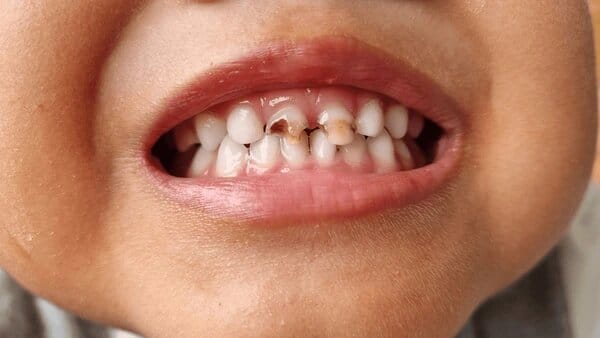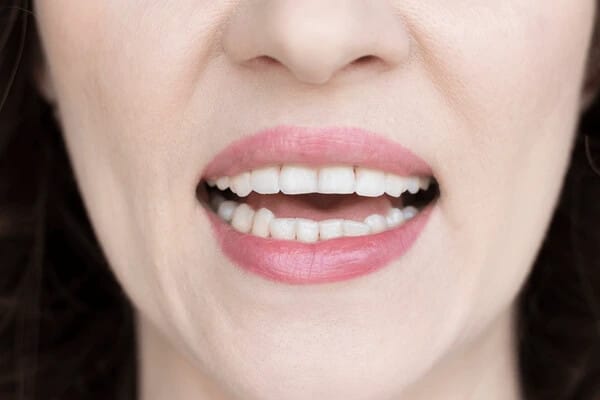
It usually happens when you least expect it. You bite into something crunchy, slip during sport, or feel an unexpected crack while chewing. Suddenly there is a sharp edge against your tongue or a visible small tooth chip when you look in the mirror. A chipped tooth can feel minor at first, but it often creates immediate concern.
Whether it is a broken front tooth or a subtle enamel fracture, chipped tooth repair is one of the most common restorative dentistry concerns. The reassuring part is that there are several cosmetic tooth repair options available. The key is understanding what has actually happened to the tooth structure and how severity affects management.
What Actually Happens When a Tooth Chips?
Teeth are made up of layers. The outer enamel protects the dentine underneath, and at the centre sits the pulp, which contains nerves and blood supply. When enamel damage occurs, it may simply feel rough. If the fracture extends deeper, exposed dentine can cause tooth sensitivity after chipping. In more severe cases, the pulp may become involved, increasing infection risk.
Common causes of a minor tooth fracture include:
- Biting hard foods
- Sporting injuries
- Accidental trauma
- Teeth grinding
- Large fillings weakening structure
The extent of enamel fracture treatment depends entirely on how much tooth structure has been compromised.
How Is the Severity of a Chipped Tooth Assessed?
Assessment determines whether the issue involves:
- Enamel only
- Enamel and dentine
- Enamel, dentine, and pulp
A small tooth chip limited to enamel may require minimal intervention. A deeper fracture affecting dentine or pulp requires more structured management to protect the tooth and prevent further fracture.
Treatment varies depending on enamel, dentine, or pulp involvement. Suitability is always determined after clinical examination.
What Are the Most Common Chipped Tooth Repair Options?
Modern restorative dentistry provides several approaches for chipped tooth repair.
- Smoothing and polishing minor enamel chips
- Composite bonding using composite resin restoration
- Porcelain veneer placement for aesthetic front tooth chip management
- Dental crown coverage for significant structural damage
- Root canal therapy if pulp involvement occurs
Composite bonding is commonly used for small to moderate chips. Composite resin restoration restores tooth shape and blends with natural enamel. For larger enamel damage, dental crown coverage provides reinforcement and structural stability.
How Do Different Repair Options Compare?
| Situation | Possible Approach | Considerations | Variability |
|---|---|---|---|
| Minor enamel chip | Smoothing or bonding | Minimal tooth alteration | Outcome depends on location and bite |
| Moderate chip | Composite bonding or veneer | Colour matching required | May require maintenance |
| Large fracture | Dental crown | Structural reinforcement needed | Longevity varies |
| Pain or nerve exposure | Root canal and crown | Infection risk management | Healing differs per patient |
Longevity varies between individuals and depends on oral hygiene habits, bite forces, and ongoing care.
Is a Chipped Tooth Always an Emergency?
Not every chipped tooth requires urgent treatment, but some situations do warrant prompt assessment.
Seek review if you experience:
- Ongoing pain
- Bleeding from the tooth
- Significant sensitivity
- Swelling
- Difficulty chewing
Protecting exposed dentine quickly helps reduce discomfort and lowers the risk of further damage.
Can a Small Tooth Chip Be Left Alone?
A minor enamel chip may not cause pain. However, rough enamel surfaces can trap plaque bacteria, increasing the likelihood of tooth decay around the damaged area. Even small chips can worsen if subjected to biting pressure.
Repair options for chipped teeth aim to restore smooth contours, protect enamel, and maintain structural stability.
What Are the Risks and Considerations of Treatment?
Every restorative procedure carries potential risks and benefits. These may include:
- Temporary sensitivity
- Need for maintenance or replacement
- Colour mismatch over time
- Further fracture if underlying stress is not addressed
Maintenance requirements should be discussed clearly before proceeding.
How Can You Protect a Repaired Tooth Long Term?
Once a chipped tooth has been restored, ongoing care matters.
Practical steps include:
- Wearing a mouthguard during sport
- Avoiding biting hard objects
- Managing teeth grinding
- Maintaining consistent oral hygiene
- Attending regular dental review
Protecting exposed dentine and preserving enamel are key to long term success.
Is Cosmetic Tooth Repair Predictable?
Cosmetic tooth repair such as composite bonding or veneers can restore the appearance and function of a chipped tooth. However, results vary between individuals. Factors such as bite alignment, enamel thickness, and oral hygiene influence longevity.
Balanced discussion about risks, recovery expectations, and variability of outcomes ensures informed decision making.
Why Do Patients Choose Palm Beach Dental for Chipped Tooth Repair?
When a chipped tooth affects your smile or comfort, reassurance and clarity are essential. At Palm Beach Dental, chipped tooth repair is approached with careful assessment and personalised planning. Whether the solution involves smoothing a minor enamel fracture, restoring shape through composite resin restoration, or reinforcing structure with dental crown coverage, the focus remains on preserving natural tooth structure wherever possible. Patients receive clear explanations about suitability, alternatives, risks, and maintenance requirements, allowing confident and informed decisions in a calm and professional environment.
Important FAQs
Q1. Can a chipped tooth heal naturally?
Enamel does not regenerate. Professional assessment is recommended even for small chips.
Q2. How long does composite bonding last?
Longevity varies between individuals depending on bite forces and maintenance.
Q3. Is a dental crown always required?
No. Crowns are typically recommended for larger structural fractures.
Q4. Will a chipped front tooth look natural after repair?
Modern materials allow colour matching, though outcomes vary.
Q5. Can a chipped tooth become infected?
If pulp involvement occurs, infection risk increases.
Q6. Should I avoid chewing on a chipped tooth?
It is advisable to avoid biting hard foods until assessment.
References
- Australian Dental Association
https://www.ada.org.au - Healthdirect Australia
https://www.healthdirect.gov.au - Better Health Channel Victoria
https://www.betterhealth.vic.gov.au
Disclaimer
All dental procedures involve potential risks and benefits. The information provided in this blog is general in nature and should not be taken as medical advice. We recommend that you seek guidance from a suitably qualified health professional before making decisions about your oral health. Where appropriate, you may also wish to consider obtaining a second opinion.
Any images or videos featured are shared with the informed consent of our patients and are intended for educational purposes only. They are not a guarantee of results, as every patient is unique. Treatment outcomes — including recovery, potential complications, and effectiveness — can vary from person to person.