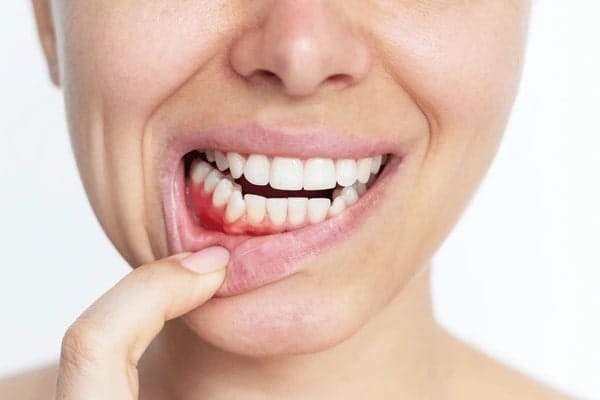
You notice a little pink in the sink when brushing. Your gums feel puffy, maybe slightly tender. It is easy to ignore at first, but gum inflammation, often referred to as gingivitis, is your body signalling that something needs attention. The reassuring part is that early gum inflammation is commonly reversible. The timing of recovery, however, depends on several important factors.
Gum inflammation usually develops due to plaque accumulation along the gum line. Plaque bacteria irritate the tissues, leading to redness, swelling, and bleeding gums. This condition is known as plaque induced gingivitis. With improved oral hygiene and appropriate professional care, many people notice improvement within days to a few weeks.
What Are The Early Signs Of Gum Inflammation?
Gingivitis can be subtle at first. Many people do not experience pain, which is why it often goes unnoticed.
Common early signs include:
- Bleeding during brushing or flossing
- Puffy or swollen gums
- Redness along the gum margin
- Mild tenderness
- Persistent bad breath
These signs indicate periodontal inflammation. Acting early significantly improves the likelihood of full gum health restoration.
Why Do Gums Become Inflamed?
The primary cause is plaque accumulation. When plaque is not removed effectively through brushing and flossing technique, it hardens into calculus. This makes removal at home more difficult and increases bacterial irritation.
Other contributing factors include:
- Inconsistent oral hygiene
- Smoking
- Certain medical conditions
- Hormonal changes
- Irregular professional dental cleaning
Inflamed gum tissue is the body’s response to bacterial presence. Without intervention, gingivitis may progress to more advanced periodontal concerns.
How Long Does It Take For Gums To Improve?
Healing time varies based on severity and individual health factors.
| Severity Level | Typical Recovery Time With Care |
|---|---|
| Mild gingivitis | Several days to two weeks |
| Moderate inflammation | Two to four weeks |
| Advanced inflammation | Requires professional assessment |
Many individuals notice reduced bleeding and swelling within a week of improved oral hygiene and plaque removal. However, consistent care is essential.
Australian oral health data consistently shows that early gingivitis responds well to scaling treatment and improved daily plaque control.
What Influences Recovery Time?
Several factors determine how quickly gum inflammation settles:
- Oral hygiene consistency
- Smoking status
- Underlying health conditions
- Completion of professional scale and clean
- Severity of inflammation
Smoking, for example, may mask bleeding but delay true healing. Likewise, unmanaged plaque accumulation can prolong periodontal inflammation.
What Professional Care Is Typically Involved?
Professional dental cleaning plays a central role in gum tissue response. Scaling treatment removes plaque and hardened calculus from tooth surfaces and beneath the gum line. This allows gum tissues to reattach more effectively and reduces bacterial irritation.
During periodontal assessment, the depth of gum pockets is measured to determine whether inflammation is confined to gingivitis or progressing further. Early detection is key to preventing complications.
Can Gum Inflammation Return?
Yes, gum inflammation can return if plaque control lapses. Gingivitis recovery time may be relatively short, but maintenance is ongoing. Consistent brushing twice daily, daily flossing, and routine professional cleaning are critical for long term stability.
What Happens If Gum Inflammation Is Left Untreated?
If plaque induced gingivitis is not managed, inflammation may extend deeper into supporting structures. This can lead to periodontal damage, which is more complex to manage. Early intervention protects gum tissue and bone support.
Why Choose Palm Beach Dental For Gum Health Support?
Healthy gums are the foundation of every confident smile. At Palm Beach Dental, comprehensive periodontal assessment forms part of routine examinations. The dentist team carefully evaluates bleeding gums, plaque accumulation patterns, and overall gum tissue response to identify concerns early.
Professional dental cleaning is performed with precision, focusing on thorough plaque removal while supporting comfort. Patients are guided on brushing and flossing technique to enhance long term results. At Palm Beach Dental, gum health restoration is approached proactively, ensuring inflammation is addressed promptly and maintenance strategies are personalised.
Important FAQ’s
Q1. How quickly can gingivitis improve?
Mild gingivitis may improve within one to two weeks with consistent oral hygiene and professional cleaning.
Q2. Is bleeding always a sign of gum disease?
Bleeding during brushing often indicates inflammation and should be assessed professionally.
Q3. Can gum inflammation resolve without treatment?
Improved oral hygiene can reduce mild inflammation, but professional cleaning is often required to remove hardened plaque.
Q4. Does gum inflammation cause pain?
It may cause mild tenderness, but many people experience little discomfort despite active inflammation.
Q5. How can I prevent recurrence?
Consistent plaque control, daily flossing, and routine dental visits support long term gum stability.
Q6. Can smoking affect healing time?
Yes, smoking can delay gum tissue response and increase the risk of ongoing inflammation.
References
- Australian Dental Association
https://www.ada.org.au - Australian Institute of Health and Welfare Oral Health Reports
https://www.aihw.gov.au/reports/dental-oral-health - Australian Government Health Direct Oral Health Information
https://www.healthdirect.gov.au
Disclaimer
All dental procedures involve potential risks and benefits. The information provided in this blog is general in nature and should not be taken as medical advice. We recommend that you seek guidance from a suitably qualified health professional before making decisions about your oral health. Where appropriate, you may also wish to consider obtaining a second opinion.
Any images or videos featured are shared with the informed consent of our patients and are intended for educational purposes only. They are not a guarantee of results, as every patient is unique. Treatment outcomes — including recovery, potential complications, and effectiveness — can vary from person to person.