Clear aligner treatment has become a popular option for people wanting to straighten their teeth without fixed brackets. One of the first questions many patients ask is how long Invisalign treatment actually takes. The answer is not the same for everyone. Treatment duration depends on case complexity, bite correction needs, biological response, and how consistently aligners are worn.
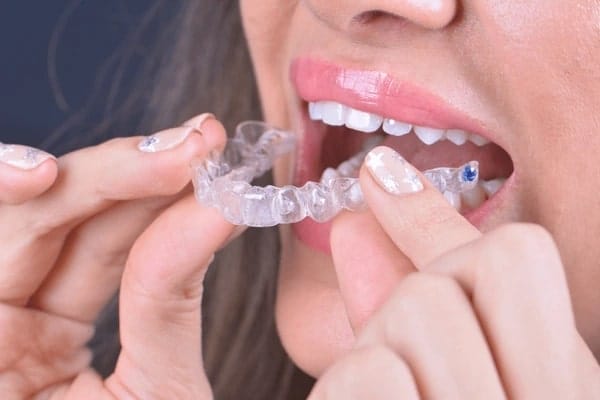
Clear aligners work by applying controlled, gradual pressure to teeth. Using digital treatment planning, a series of removable aligners are designed to move teeth in stages. Each aligner is typically worn for a prescribed period before progressing to the next.
What Determines The Length Of Clear Aligner Treatment?
There are several key factors that influence orthodontic alignment time.
Primary influences include:
- Case complexity
- Degree of crowding or spacing
- Malocclusion correction needs
- Bite alignment concerns
- Patient compliance wear time
- Biological tooth movement response
- Need for refinement stage
Mild crowding or moderate spacing may require fewer aligners and shorter treatment duration. More complex bite correction cases, such as crossbite or significant misalignment, may require a longer timeframe.
What Is The Typical Duration For Mild Cases?
In mild alignment cases involving small gaps or minor crowding, treatment may take several months. These cases often focus on cosmetic alignment without major bite correction.
Common characteristics of mild cases include:
- Slight rotation of front teeth
- Small spacing between teeth
- Minimal malocclusion
- No significant jaw discrepancy
Even in mild cases, compliance is essential. Aligners are generally recommended to be worn for around 22 hours per day to maintain steady progress.
How Long Do Moderate Or Complex Cases Take?
Moderate cases, involving noticeable crowding or bite concerns, may take around 12 to 18 months. Complex cases can extend beyond 18 months, particularly when significant orthodontic alignment or functional bite changes are required.
More complex treatment may involve:
- Attachments bonded to teeth
- Interproximal reduction
- Bite correction mechanics
- Multiple refinement stages
Refinement stage aligners are sometimes needed to fine tune the final position of teeth. This can add time to overall treatment duration.
The table below outlines how different factors may affect the timeline.
| Factor | Impact On Duration |
|---|---|
| Case complexity | Greater complexity increases time |
| Wear compliance | Reduced wear may extend timeline |
| Biological response | Tooth movement varies individually |
| Need for refinements | Additional aligners may extend treatment |
| Missed appointments | May delay progress |
Does Wearing Aligners Less Than Recommended Slow Progress?
Yes. Clear aligner treatment relies heavily on compliance wear time. If aligners are not worn consistently, tooth movement may not occur as planned. This can result in extended treatment duration or the need for additional aligners.
Biological tooth movement varies between individuals. Some patients respond quickly to orthodontic forces, while others experience slower movement. Bone density, age, and overall oral health can influence this response.
What Happens After Active Treatment Is Finished?
Orthodontic alignment does not end when the last aligner is removed. A retention phase is required to help maintain results. Retainers are typically worn according to professional dentist guidance to support long term stability.
Retention phase duration varies and may involve:
- Night time retainer wear
- Periodic review appointments
- Monitoring of bite alignment
Without appropriate retention, teeth can gradually shift over time.
Why Is A Personalised Assessment Important?
Treatment duration cannot be predicted accurately without a clinical assessment. Digital treatment planning allows a projected timeline to be outlined, but this remains an estimate based on current findings.
At Palm Beach Dental, Invisalign treatment begins with a comprehensive evaluation of crowding, spacing, and malocclusion correction requirements. Digital scanning technology is used to map tooth position and simulate planned movement. The discussion includes realistic expectations regarding timeline, refinements, and retention.
Clear aligner treatment is not a quick fix. It is a structured orthodontic alignment process designed to balance aesthetics and function. Providing balanced information helps patients understand that while some cases may be completed within months, others require longer commitment.
How Does Australian Guidance Support Orthodontic Care?
Orthodontic alignment is recognised as an effective approach to managing malocclusion and improving function when clinically indicated. Information from the Australian Dental Association highlights the importance of professional supervision during orthodontic treatment to ensure safety and suitability.
Digital treatment planning and monitoring are essential components of clear aligner therapy. Independent assessment by a registered health practitioner ensures that underlying oral health conditions, such as periodontal disease or untreated dental caries, are addressed before treatment begins.
Why Consider Palm Beach Dental For Invisalign Treatment?
At Palm Beach Dental, Invisalign treatment is approached with careful planning rather than promises. Each case is assessed individually, with attention to bite function, long term stability, and realistic treatment duration. Clear communication is provided about expected timelines, compliance wear time, and the possibility of refinement aligners.
The focus is not only on achieving straighter teeth but also on maintaining balanced occlusion and healthy supporting tissues. Patients are supported throughout each stage, from initial digital planning to retention phase monitoring.
Choosing clear aligner treatment is a commitment. Understanding how long Invisalign treatment may take, and why timelines vary, helps you approach the process with confidence and clarity.
Important FAQ’s
Q1. How long does Invisalign treatment usually take?
Treatment duration varies depending on case complexity. Mild cases may take several months, while moderate to complex cases may take 12 to 18 months or longer.
Q2. Can treatment be completed faster if I wear aligners more often?
Aligners should be worn as directed, typically around 22 hours per day. Wearing them less may extend treatment duration.
Q3. Do all cases require refinement aligners?
Not all cases require refinements, but some patients may need additional aligners to fine tune results.
Q4. Is Invisalign suitable for complex bite problems?
Suitability depends on individual assessment. Some complex malocclusion cases may require additional orthodontic strategies.
Q5. Will teeth move again after treatment?
Without a retention phase, teeth may shift over time. Retainers help maintain alignment.
Q6. Is Invisalign treatment painful?
Some temporary tenderness may occur when changing aligners, as teeth respond to controlled orthodontic force.
References
- Australian Dental Association. Orthodontic Treatment Information.
https://www.ada.org.au/Your-Dental-Health/Orthodontics - Australian Institute of Health and Welfare. Oral health and dental care in Australia.
https://www.aihw.gov.au/reports/dental-oral-health/oral-health-and-dental-care-in-australia - Dental Board of Australia. Guidelines for advertising regulated health services.
https://www.dentalboard.gov.au/Codes-Guidelines/Guidelines.aspx
Disclaimer
All dental procedures involve potential risks and benefits. The information provided in this blog is general in nature and should not be taken as medical advice. We recommend that you seek guidance from a suitably qualified health professional before making decisions about your oral health. Where appropriate, you may also wish to consider obtaining a second opinion.
Any images or videos featured are shared with the informed consent of our patients and are intended for educational purposes only. They are not a guarantee of results, as every patient is unique. Treatment outcomes — including recovery, potential complications, and effectiveness — can vary from person to person.