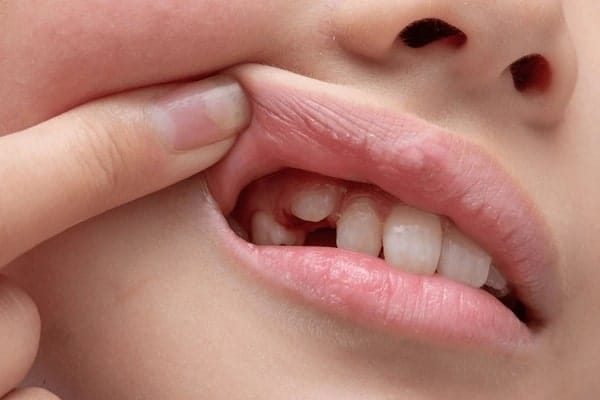
Maintaining healthy gums and strong teeth is essential for long-term oral wellbeing, but with a flood of misinformation circulating online, it’s easy to fall into the trap of believing that gums and enamel can be “regrown” naturally. The truth is more nuanced—and backed by science. While some damage to the teeth and gums is irreversible, certain preventative habits and care strategies can help support gum health, slow down progression of gum issues, and prevent further damage. But can you truly regrow what has been lost?
Let’s explore this complex topic through the lens of evidence-based strategies that support oral health without making misleading claims.
What Happens When Gums Recede or Teeth Become Damaged?
Gum recession occurs when the gum tissue surrounding the teeth wears away, exposing more of the tooth or even its root. This can happen due to periodontal disease, aggressive brushing, or simply ageing. Unfortunately, once gum tissue has receded, it does not grow back naturally.
Similarly, enamel—the hard outer layer of your teeth—does not regenerate. Once it is worn down due to acids, grinding, or trauma, it cannot grow back. The body has no natural mechanism to regenerate tooth enamel or reattach receded gum tissue.
However, you can take specific steps to help preserve what remains, support soft tissue health, and prevent further damage.
How Can You Support Gum Health Without Promising Regrowth?
While it’s not possible to regrow gum tissue or enamel naturally, maintaining strong gums is achievable with a proactive oral care routine. It’s about managing the risk factors, reducing inflammation, and adopting habits that protect your gums from further harm.
Here’s a breakdown of evidence-supported actions:
- Brush gently using a soft-bristled toothbrush
- Floss daily to remove plaque from between the teeth
- Use an alcohol-free mouthwash if advised
- Eat a balanced diet rich in vitamins C and D
- Avoid tobacco products
- Manage medical conditions that affect oral health (e.g., diabetes)
- See your dental practitioner regularly for preventive check-ups
Each of these actions may help improve gum resilience and reduce irritation or inflammation.
What Are the Common Misconceptions About “Natural Tooth Regrowth”?
It’s important to separate myths from science:
| Misconception | Evidence-Based Reality |
|---|---|
| You can regrow receded gums with herbs or oils | Gum tissue cannot regrow once lost. Professional intervention is key. |
| Enamel can regenerate if you eat specific foods | Enamel loss is permanent; it can only be protected, not reversed. |
| Tooth decay can heal naturally | Decay does not reverse on its own and must be professionally managed. |
| Homemade rinses can fix gum disease | Only a qualified practitioner can treat gum disease effectively. |
What Are the Risks of Believing in Natural “Regrowth” Solutions?
When individuals attempt to treat gum disease or enamel erosion on their own, they may delay seeking appropriate care. This can result in:
- Worsening gum recession
- Tooth sensitivity or nerve exposure
- Irreversible damage leading to tooth loss
- Infection or systemic health issues
By promoting “regrowth” myths, misinformation can inadvertently lead to neglect and harm. The better approach is education, prevention, and evidence-based intervention when needed.
Which Habits Can Help Prevent Gum and Enamel Damage?
Adopting the right lifestyle practices can have a protective effect. Here’s a practical list of gum-supportive actions:
Daily Preventive Habits:
- Brush with care: Use circular motions, never scrub horizontally.
- Floss without forcing: Glide floss gently under the gumline.
- Use fluoride toothpaste: Helps strengthen enamel and reduce decay risk.
- Hydrate regularly: Dry mouth encourages bacterial growth.
- Eat crunchy vegetables: These help stimulate saliva and naturally clean teeth.
- Limit acidic and sugary foods: They contribute to enamel erosion.
Lifestyle Support Factors:
- Avoid smoking or vaping
- Moderate alcohol intake
- Manage stress (as it can increase gum inflammation)
- Control systemic conditions like diabetes or autoimmune diseases
What Role Do Dental Professionals Play in Gum Health Preservation?
Dental check-ups aren’t just for cavity detection. Dentist and oral health professionals assess the state of your gums, identify early signs of gum disease, and provide targeted treatments like:
- Scale and cleans
- Periodontal therapy
- Fluoride applications
- Custom oral hygiene plans
They may also guide you through safe oral care routines and monitor areas of concern.
The earlier gum issues are addressed, the more effectively their progression can be managed.
What Does the Research Say About Natural Solutions?
While there’s a growing interest in holistic health, current Australian research consistently reinforces that the best way to protect your teeth and gums is through preventive care and professional oversight—not natural “regrowth” products.
Table: Evidence-Supported Strategies vs Non-Compliant Claims
| Evidence-Supported Approaches | Non-Compliant or Misleading Claims |
|---|---|
| Gentle brushing and flossing daily | Oil pulling can regrow gum tissue |
| Professional dental cleans | Baking soda heals tooth decay |
| Managing gum inflammation via hygiene | Herbal rinses reverse gum disease |
| Dental fluoride treatments | Enamel can regrow with specific food choices |
Why Is It Vital to Approach Oral Health with Realistic Expectations?
While it’s human nature to seek simple solutions, oral health requires diligence, understanding, and evidence-informed care. Believing in regrowth myths may cause delays in treatment and, ultimately, more complex issues down the track.
By staying educated and committed to prevention, patients can maintain healthy gums and reduce the need for invasive treatment later in life.
Why Do Locals Trust Palm Beach Dental for Preventive Care?
At Palm Beach Dental, we understand how confusing and overwhelming oral health misinformation can be. That’s why we take a science-based, patient-first approach to everything we do.
Our experienced team offers comprehensive dental assessments tailored to your individual needs, with a strong focus on gum health, enamel preservation, and long-term prevention. Whether you’re concerned about gum sensitivity, noticing signs of recession, or simply want expert advice on daily habits, our team is here to help you navigate oral health with confidence.
We also pride ourselves on clear communication and education—empowering you with the facts so you can make informed decisions. If you’re looking for support that combines clinical excellence with compassionate care, Palm Beach Dental is the name you can trust.
Important FAQ’s
Q1. Can gums grow back naturally once they have receded?
No, once gum tissue has receded, it does not grow back naturally. However, you can take steps to support remaining tissue and prevent further loss.
Q2. Is it possible to regrow tooth enamel through diet or supplements?
No. Enamel cannot regenerate. Preventing further erosion and strengthening existing enamel with fluoride and diet is key.
Q3. What’s the best way to reduce gum inflammation at home?
Brush gently, floss daily, stay hydrated, eat a balanced diet, and visit your dentist for regular cleans.
Q4. Do herbal rinses or oils help with gum disease?
There is no strong scientific evidence to support herbal products for gum disease treatment. Professional care remains essential.
Q5. Can I reverse tooth decay naturally?
No. Tooth decay requires professional treatment. Early-stage enamel erosion may be managed with fluoride, but not reversed.
Q6. How do I know if my gums are unhealthy?
Signs include bleeding when brushing, persistent bad breath, gum sensitivity, or visibly receding gumlines. Always consult your dentist for an accurate assessment.
References
- Australian Dental Association – Gum Disease and Oral Health
https://www.ada.org.au/Dental-Health-Week/2020/Gum-Disease - Better Health Channel – Gum disease
https://www.betterhealth.vic.gov.au/health/conditionsandtreatments/gum-disease - Oral Health CRC – Periodontal disease and systemic health
https://www.oralhealthcrc.org.au - Australian Government Department of Health – Oral health for adults
https://www.health.gov.au/topics/oral-health/oral-health-for-adults
Disclaimer
All dental procedures involve potential risks and benefits. The information provided in this blog is general in nature and should not be taken as medical advice. We recommend that you seek guidance from a suitably qualified health professional before making decisions about your oral health. Where appropriate, you may also wish to consider obtaining a second opinion.
Any images or videos featured are shared with the informed consent of our patients and are intended for educational purposes only. They are not a guarantee of results, as every patient is unique. Treatment outcomes — including recovery, potential complications, and effectiveness — can vary from person to person.